
The Modern Hamster Wheel: Why We Need a Reset
Modern life keeps us constantly spinning—emails, deadlines, social obligations, and the endless scroll of our phones. It’s no wonder stress and anxiety levels are at an all-time high.
But what if the key to finding calm and clarity isn’t in the latest productivity hack or meditation app but in a low-cost, readily available solution that most of us can access?
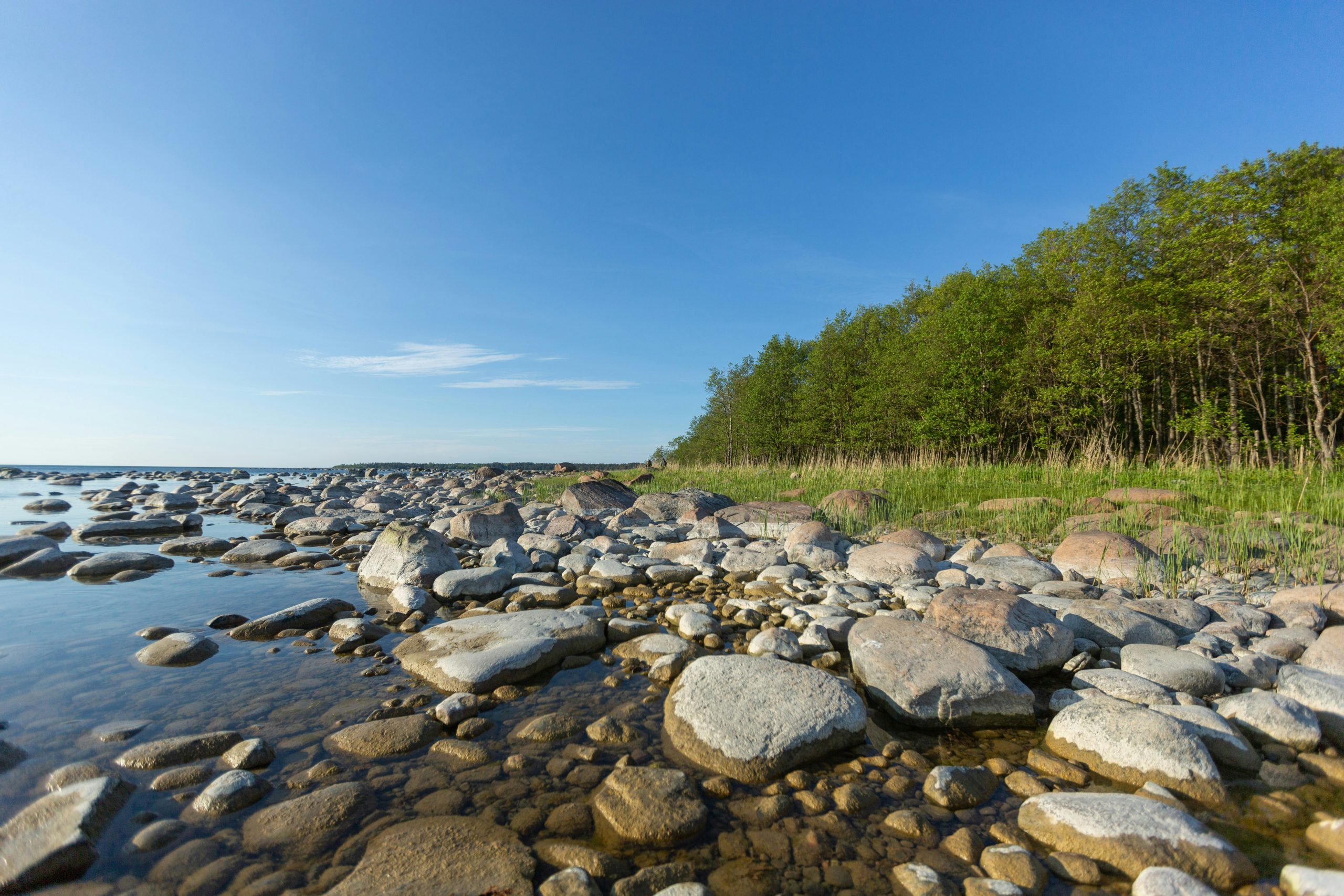
Today, we’re exploring the surprising restorative power of nature—specifically, how blue spaces (such as water) and green spaces (including forests, parks, and gardens) can ease stress, improve mental health, and help you reconnect with yourself. And this isn’t just a poetic ode to Mother Nature—I’ll share actionable, science-backed strategies to harness the benefits of nature, even if you live in a bustling city or rarely have time to escape into the wilderness.
Why Nature Is the Ultimate Stress Reliever
We’ve all heard the saying, “Take a walk, and you’ll feel better.” Over 2,400 years ago, even Hippocrates proclaimed, “Walking is man’s best medicine.” But what’s the science behind this timeless wisdom?
Green spaces—such as parks, forests, and gardens—reduce cortisol levels, lower blood pressure, and provide a much-needed mental break from digital distractions. However, here’s something fascinating: research now suggests that blue spaces, such as oceans, rivers, and ponds, may be even more effective at calming the mind.
A study by Richard Coss, professor of psychology at the University of California, Davis, and Craig Keller found that viewing water—even for just two minutes—can significantly reduce blood pressure and promote a state of wakeful relaxation. This water connection isn’t just psychological; it’s deeply rooted in human evolution.
For early humans, water meant survival—hydration, food, hygiene, and transportation. Our ancestors who sought water sources thrived, and this affinity for water landscapes, known as “blue space affinity,” has been passed down to us.
Dr. David Strayer, a cognitive neuroscientist who heads the Applied Cognition Laboratory at the University of Utah, was quoted in a Guardian article as saying. “As hunter-gatherers, those who were most attuned to the natural environment were the most likely to survive. But then we built all this infrastructure. We are trying to use the hunter-gatherer brain to live in the highly stressful and demanding modern world.”
That’s why, even today, simply sitting by a lake, hearing a river flow, or walking along a beach can trigger an instinctive sense of calm and security.
And the best part? Even looking at a picture of a serene lake or listening to the sound of waves can activate this relaxation response.
Green vs. Blue: Which Space Is Right for You?
So, when stress hits, should you head to the nearest park or beach? The answer depends on your needs.
- Green spaces are ideal for mental restoration. Sitting under a tree, away from digital noise, can reduce cognitive fatigue, spark creativity, and promote mindfulness.
- Blue spaces provide a unique multisensory experience. The rhythmic sound of waves, shimmering reflections on water, and the cool breeze can lull your mind into a deep, calm state.
The best approach is to combine both. A weekend hike that ends at a tranquil lake or a forest trail along a riverbank gives you the benefits of both environments.
Rewild Your Mind: A New Approach to Stress Relief
Rewilding isn’t just about restoring nature—it’s about restoring yourself. It’s the practice of reconnecting with the natural world and your “inner wild.” But don’t worry, this doesn’t mean camping in the wilderness or scaling a mountain. Rewilding can be simple and accessible.
Here are actionable ways to bring nature into your life, no matter where you live:
- Start Your Day with a Nature Ritual
Spend five minutes connecting with nature each morning. Open a window, listen to the birds, or stand outside barefoot. You’ll get bonus points if you sip your coffee while watching the sunrise near water. - Create a Nature Nook Indoors
No access to a park or water? No problem. Decorate your space with houseplants, a small water fountain, or a digital frame displaying landscapes. Even simulated nature exposure can lower stress levels. - Take a Forest Bathing Break
Forest bathing isn’t about exercise; it’s about immersion. Find a quiet spot in a park or garden, turn off your phone, and engage your senses—smell the leaves, feel the bark, and watch the play of light through the trees. - Use Water Sounds for Mindful Moments
Play nature sounds, such as rain, rivers, or ocean waves, while working or meditating. This is a simple way to incorporate the benefits of blue spaces into your day, even when you’re indoors. - Plan a Weekly Nature Date
Dedicate one day a week to spending time in nature. Whether it’s a picnic in the park, paddleboarding, or simply reading by a pond, these moments can be deeply restorative. - Incorporate Nature into Social Time
Instead of meeting for coffee indoors, consider going for a walk with a friend in a park or along the waterfront. Conversations flow differently when surrounded by the beauty of nature. - Rewild Your Workday
Take meetings outdoors when possible. Walking meetings in a nearby park can enhance creativity and focus while reducing workplace stress.
Challenge: How Will You Rewild Your Life This Week?
Now, it’s your turn. How will you rewild your mind and bring more nature into your daily routine? Whether it’s a five-minute nature break or a weekend adventure, small steps can have a significant impact on your stress levels and overall well-being.
So, what’s stopping you from finding your wild side?

